Here's the thing about being newly single
Your body spent years responding to someone else's touch, timing, and rhythm. You learned what felt good in the context of a partner. You calibrated your pleasure around theirs. And then one day, you're alone, and suddenly the question isn't "How do we feel?" but "How do I feel?" which turns out to be a lot harder to answer than it sounds.
This isn't about jumping into dating or proving you're fine. This is about reclaiming something that got shelved: your own pleasure, on your own terms, with zero audience.
The guilt piece (let's name it first)
A lot of people fresh out of long relationships carry weird guilt around solo pleasure. There's a voice that says it's somehow disloyal, or that you should wait until there's a new partner, or that you're being selfish. Here's what I tell clients: your body is the one relationship that never ends. It deserves attention and care whether you're partnered or not.
Solo pleasure isn't a placeholder for partnered sex. It's its own thing entirely. You get to explore what actually feels good to you without worrying about someone else's comfort, timeline, or expectations. That's not selfish. That's essential.
Photo by Madison Inouye on Pexels
Why a lemon vibrator changes the dynamic
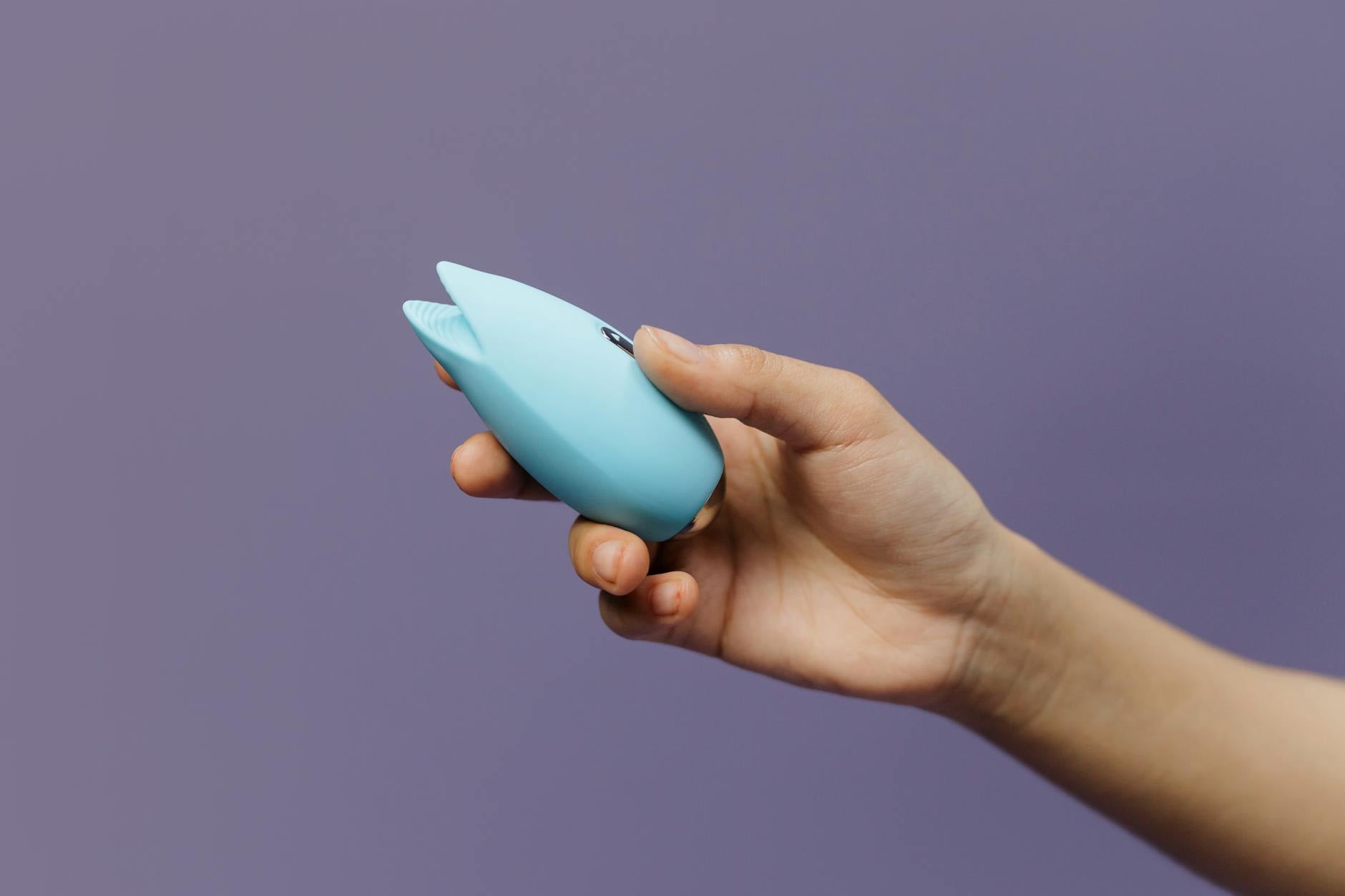
A device like the Lem (or any quality lemon clitoral vibrator) does something specific: it removes the need to rely on someone else's effort or technique. You control the pressure, the pattern, the rhythm, the pause. All of it.
For someone rebuilding their relationship with their own pleasure, that control is foundational. You're not performing. You're not accommodating. You're not managing anyone's feelings or pace. You're just exploring what your body actually wants.
The suction mechanism on a lemon clitoral vibrator is gentler than traditional vibration, which matters if you've been touch-averse or if your sensitivity has shifted. It stimulates without the mechanical intensity. A lot of newly single people find this less intimidating than a standard vibrator when they're relearning their own body.
The practical setup: starting over from scratch
First decision: environment. You need space where you feel genuinely safe and uninterrupted. Not rushed. Not listening for footsteps. If you're in a shared living situation, that might mean waiting for a time when you're truly alone, or investing in a small lock for your bedroom door. This isn't paranoia. This is respect for your own process.
Second: remove the performance mentality. You're not trying to orgasm. You're not trying to "do it right." You're investigating. Touch your body without the vibrator first. See what feels good. Notice what your hands actually want to do when there's no one else involved.
Third: lube. Always. Even if you don't think you need it, using lube signals to your nervous system that this is intentional and pleasurable, not functional. Water-based works with any silicone toy. The physical sensation of applying it is part of the experience.
The first solo session (and what to expect)
Honestly? It might feel weird. After years of partnered sex, solo pleasure can feel awkward or even lonely at first. That's normal. Your brain has associations with this activity that involve someone else. That takes time to rewire.
Start with the lowest setting. Spend 10-15 minutes just exploring sensation. You're gathering information, not chasing an outcome. Notice what patterns feel good. Notice where you like more pressure versus less. Notice what kind of touch your nervous system is actually hungry for right now.
You might not orgasm, and that's completely fine. The point is reconnection. Many newly single people find that their first orgasm alone in years feels lighter, different, or even more intense than partnered orgasms ever felt. Because it's yours.
The emotional part nobody mentions
Solo pleasure after a long relationship can stir up feelings. Sadness. Anger. Grief. Relief. Sometimes all of it at once. Your body might be trying to process the breakup while simultaneously rekindling desire. That's not a problem. That's textured, human experience.
If you find yourself crying during or after, that's not a sign something is wrong. It's a sign something real is happening. Your nervous system is learning that it's safe to feel again. That takes adjustment.
If the emotional weight feels heavy, consider talking to a therapist alongside your physical exploration. Both matter. One doesn't replace the other.
Why lemon sucker technology works better for this transition
The thing about air-suction devices (like the Lem) is that they create sensation without requiring the same kind of direct pressure that traditional vibrators need. Your clitoris might be more or less sensitive right now depending on stress, hormones, and how much physical affection you've actually been receiving.
A lemon clitoral vibrator adapts to that better. You control the intensity. The sensation feels different from partnered sex in ways that actually help you distinguish this as your own thing. It's not trying to replicate what a partner would do. It's creating its own feeling entirely.
Building a solo routine (and why consistency matters)
Once you've had a few sessions and the awkwardness starts to wear off, consider building a simple routine. Not obligation. Just rhythm. Maybe once or twice a week you set aside 20 minutes. Light a candle. Put your phone away. Make it feel intentional.
Consistency helps your nervous system relax into this. You're establishing a new normal with your body. You're saying "this time is mine, and I deserve it." That message takes repetition to really land, especially if you've spent years in a partnership where your needs were negotiated rather than centered.
When to bring pleasure back into partnered territory
There's no timeline. Some people jump back into dating immediately. Others need months to feel solid in their solo pleasure first. Both are fine. The key is knowing which one you are before you invite someone else into your body again.
If you do start dating someone new, the confidence and knowledge you've built from solo exploration becomes an asset. You know what you like. You know how your body works now. You know what pleasure actually feels like when you're centered in it. That changes everything about how you communicate with a partner.
Addressing the awkwardness
If self-consciousness or shame is coming up, that's worth naming. A lot of people were raised with messages that solo pleasure is something to hide or feel bad about. You get to unlearn that, especially now. You're an adult, alone in your own space, exploring your own body. That's not weird. That's self-care.
If you're struggling with the narrative around it ("I should be dating, not doing this"), remember that rediscovering your pleasure solo is actually the work that makes you available for healthy partnered relationships later. You're not avoiding connection. You're building the foundation for better connection.
The reading time reality check
Solo pleasure is not something you rush. If you've got 20 minutes, great. If you've got 45, better. Don't clock-watch yourself. When you're learning your body again after being partnered, presence matters more than pace.
People also ask
Is it normal to feel sad during solo pleasure after a breakup?
Completely normal. Your body may be processing grief even while it's experiencing pleasure. The two can coexist. If sadness shows up, you don't have to push it away or feel broken. Let it be there. It usually passes once your nervous system realizes it's safe to feel again.
How often should I be using a lemon vibrator when I'm newly single?
There's no "should." Some people find once a week feels right. Others want it more often. Listen to your body and your desire level. Consistency matters less than genuine interest. If you're using it to numb feelings rather than explore pleasure, that's a sign to pause and check in with yourself.
Does solo pleasure with a lemon clitoral vibrator make it harder to orgasm with a partner later?
No. Actually, the opposite. Understanding your own body and what feels good makes partnered sex better because you can communicate more clearly. You're not learning your partner's version of pleasure. You already know your own.
I feel guilty about using a vibrator after a long relationship. Is that something I should work through?
Yes. Guilt here usually points to old messages about sexuality being something shameful or something only for partnered people. Solo pleasure is valid, necessary, and entirely yours. A therapist can help you untangle guilt; a lemon sexual toy can help you practice pleasure. Both are useful.
What if I don't orgasm the first few times?
Orgasm isn't the goal right now. Reconnection is. Sensation without outcome is actually where real pleasure begins. Some newly single people find their first solo orgasm takes weeks. Others it's immediate. Both are fine. You're collecting data about your body, not checking boxes.
How do I know if I'm using the lemon vibrator correctly?
If it feels good, you're doing it right. There's no technique here. Lower settings, explore, notice what your body wants more of. As you get more comfortable, you might find you like different patterns at different times. That's all correct.
What comes next
Rediscovering solo pleasure after a long relationship isn't the end of your sexual story. It's the beginning of a new chapter where you're the author. That knowledge, that confidence, that remembered sense of what actually turns you on. All of that comes with you into whatever relationship structure you choose next.
For now, you're not rebuilding for someone else. You're rebuilding for you. And that matters infinitely more.
If you have questions about pleasure, communication, or relationships post-breakup, reach out. That's what I'm here for.