When desire doesn't match, the silence becomes the problem
Let's be real. You want sex. Your partner doesn't. Not as often, not with the same energy, maybe not at all. And now you're in that tight place where your needs feel impossible to ask for, your partner feels pressured, and neither of you is having fun. This isn't rare. It's one of the most common friction points in long-term relationships.
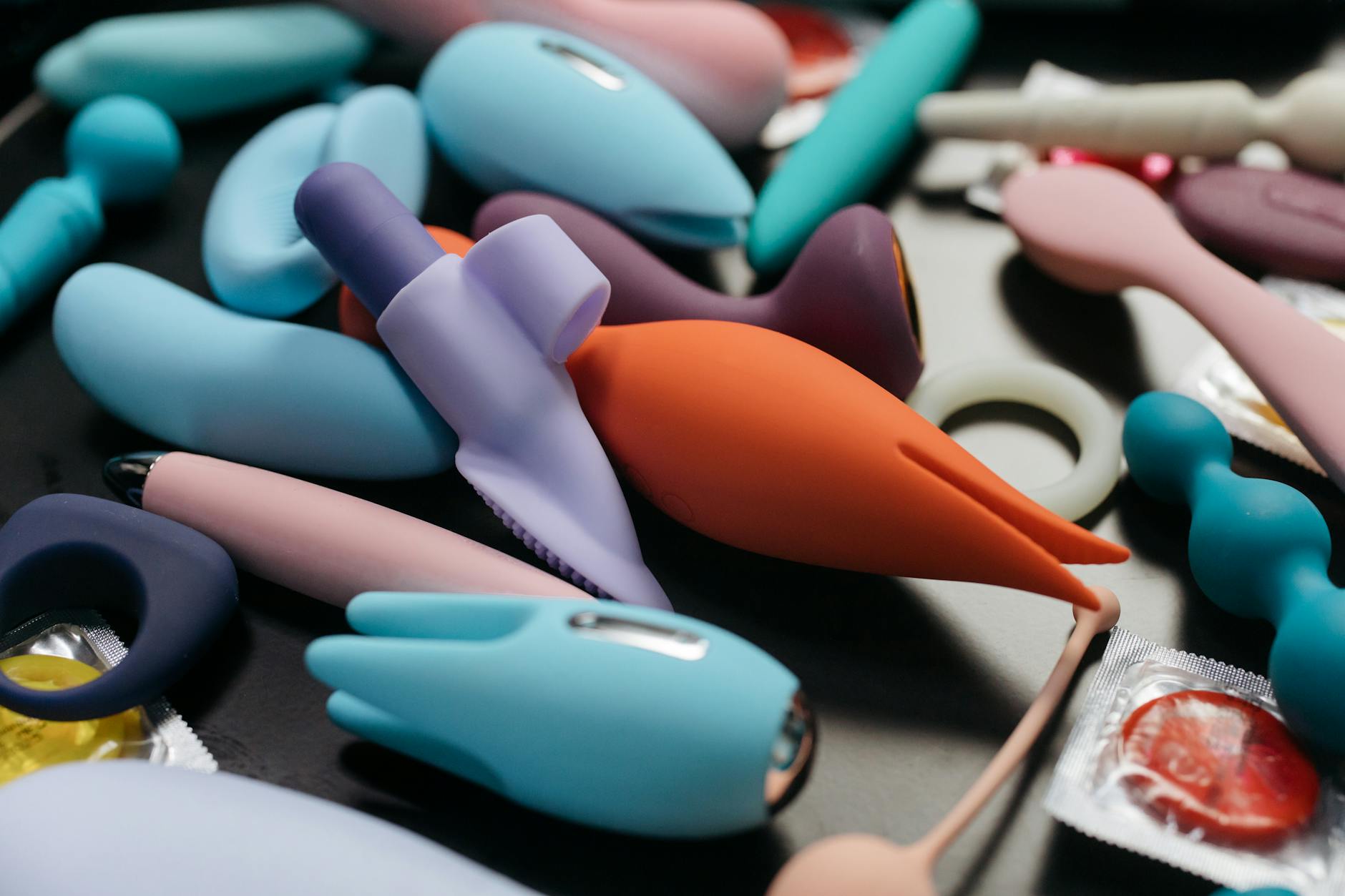
Here's the thing nobody tells you: a lemon clitoral vibrator isn't a workaround to avoid the conversation. It's actually a tool that makes the conversation easier, because it separates your pleasure from your partner's performance.
Why low libido mismatches create so much shame
When desire levels don't match, both people usually end up blaming themselves. The higher-desire partner feels rejected ("Am I not attractive anymore?"). The lower-desire partner feels inadequate ("Something's wrong with me"). Both narratives are usually incomplete.
Low libido in relationships usually points to something structural. Stress. Exhaustion. Hormonal shifts. Resentment that lives in a drawer and poisons everything, including sex. Medication side effects. Depression creeping in quietly. Sometimes it's just a real mismatch in baseline desire that nobody noticed early on because the honeymoon period was loud enough to cover it.
The shame, though. The shame lives in the silence. You don't ask because you don't want to pressure them. They don't bring it up because they already feel broken. So you both just exist in this low-key grief, which does exactly nothing to fix the actual problem.
What lemon vibrators actually solve here
Lemon adult toys like the Lem do three things that matter when libido is mismatched.
First, they give you an honest way to say: "I need pleasure. That doesn't have to come from you right now, and that's okay." This is radical in relationships. Most people interpret a partner's need for solo pleasure as rejection. But framing it differently changes everything. "I'm going to take care of myself" is different from "You're not enough." One is self-care. The other feels like accusation.
Second, lemon clitoral vibrators remove the pressure to perform. Your partner doesn't have to wait for arousal to build, doesn't have to maintain an erection, doesn't have to work through their own mental block about sex while you're waiting. They can be present without performing. For many lower-desire partners, that alone shifts something.
Third, and this is the sneaky powerful part: having an orgasm on your own terms, regularly, using a tool like a lemon sucker, actually keeps your baseline desire stable. When you're consistently left frustrated, your desire doesn't politely wait. It gets angry. It gets resentful. You start avoiding intimacy altogether because the rejection loop is exhausting. Using lemon sexual toys breaks that cycle.
The conversation before anything else
Don't just start using a vibrator and hope your partner doesn't notice. That's how resentment gets weaponized on both sides.
Instead, name the problem directly. "I've noticed we want sex at really different frequencies. I don't think that's a character flaw on either of us. But I also can't keep pretending I'm fine with how things are." Notice what you didn't do: you didn't blame, didn't shame, didn't compare your libido to theirs.
Then tell them what you're thinking. "I'm considering using a vibrator to meet my own needs. I want to do this with you knowing about it, not as a secret. And I want to know if that feels okay, or if there's something we should talk through first."
This invitation does something important. It tells your partner you're not abandoning the relationship. You're not giving up on them. You're just refusing to starve.
Most partners, when it's framed this way, feel relief. The pressure lifts. Suddenly your partner isn't the only person responsible for your pleasure. That's often when things actually start to shift between you, because sex stops being a performance metric.
How to actually use a lemon vibrator in this dynamic
There are a few roads here, depending on what feels right.
Solo, and he or she knows about it. You take 15 minutes. You use your lemon clitoral vibrator. You get what you need. Your partner is in the other room, or reading, or doing their own thing. This is the most straightforward boundary. It's not a rejection. It's not a solution to the relationship problem. It's just meeting a legitimate need.
Together, but not as a performance. Your partner watches, or is present, but there's no expectation that they get aroused or participate. You're not performing for them. You're just taking care of yourself while they're there. For some couples, this actually builds intimacy because there's no pressure. There's just trust and normalcy.
As part of a different kind of sex. Maybe traditional penetration isn't happening as often as you'd like. But you and your partner can have other kinds of sex. They could use their hands or mouth while you're using a lemon sucker. You could focus on their pleasure first, then use a vibrator for yours. The variables are infinite. The point is that pleasure becomes collaborative, not dependent.
When your partner gets defensive
Sometimes they won't be relieved. Sometimes they'll hear "I'm going to use a vibrator" as "You're not enough." This is where you need to be clear about what's actually true.
"This isn't about you not being enough. This is about my body needing something, and me deciding to take care of it. I'm not leaving the relationship. I'm not losing interest in you. I'm just not going to ignore my own needs anymore."
If your partner continues to frame your pleasure as a threat, that's a different problem than low libido. That's control. And you might need a couples therapist to untangle that, because a vibrator won't fix it.
For real low libido mismatches, though, most partners eventually understand. Especially once they realize the pressure is gone and sex stops feeling like an obligation.
Why lemon clitoral vibrators actually help the relationship
Here's what usually happens when someone uses a tool like a lemon vibrator and stops waiting for their partner to meet all their needs: the relationship gets better, not worse.
You're less resentful. Your partner feels less pressured. Sex, when it happens, isn't loaded with desperation. You're both coming to it from a place of choice, not obligation. That changes everything about the experience.
Your partner might even start to feel more desire, because the shame and pressure have lifted. Or they might not. But either way, you're not slowly dying inside. You're taking care of yourself. And that's honestly the most important thing you can do for a relationship.
FAQ: Lemon Vibrators and Mismatched Desire
Will using a vibrator make my partner feel replaced?
It might, at first. That's why the conversation matters more than the tool. If you frame it as "I'm taking care of a need" rather than "You're not doing your job," most partners eventually understand. The key is showing them that using a vibrator doesn't mean you want them less. It means you respect your own body too.
What if my partner says they don't want me using toys at all?
That's a boundary worth exploring, not accepting. Your pleasure is not negotiable. Your partner doesn't have to participate, but they don't get to deny you the right to your own body. If they're trying to control your solo pleasure, that's a red flag worth discussing with a therapist.
Can using a lemon sucker fix a dead bedroom?
Not alone. A vibrator is a tool for meeting your own needs, not for fixing relationship problems. If the issue is resentment, poor communication, stress, or a partner who's checked out entirely, a vibrator helps you survive it. But the actual relationship problem still needs attention from both of you.
Should we use a vibrator together if he has low libido?
Sometimes. If your partner is open to it and feels no pressure, using a lemon clitoral vibrator together can actually lower the stakes for them. They're not responsible for your orgasm. You're using a tool. They can be present and intimate without performing. Many couples find this feels more connected than traditional sex.
How do I know if low libido is the real issue or if we're just incompatible?
Low libido is usually a symptom, not a character trait. It points to stress, hormones, medication, depression, resentment, or sometimes just a real mismatch in baseline desire. Incompatibility usually feels more fundamental: you want different things from the relationship, not just different frequencies of sex. If your partner is open, willing to talk, and interested in solving it together, that's workable. If they're defensive and unwilling to engage, that's a different conversation.
Is it selfish to prioritize my pleasure when my partner isn't interested?
No. Not even a little. Ignoring your own needs to make someone else comfortable is how resentment starts. You're allowed to have a body with needs. You're allowed to meet those needs. That's not selfish. That's self-respect.
The bridge between silence and connection
Mismatched libido doesn't have to mean the end of physical intimacy. It means you get to be honest about what you need and stop waiting for permission to have a body. A lemon clitoral vibrator is just the tool. The real shift is deciding that your pleasure matters as much as your partner's comfort. Once you decide that, everything else becomes a conversation instead of a silent resentment.
If you're struggling with this and want to talk it through with someone trained in couples dynamics, Nancy Lemon Shop's team is here to listen. You can always reach out to /contact to connect.